Circling Venice

I am excited to announce the publication of my first collection of poems, “Circling Venice.”

Here is the marketing blurb …
A stunning first book from Frank Kearns. A private life revealed in quick snapshots that mirror adolescent America’s mythic migration westward in the 70’s. His long time west coast home differs from the places where he began, changed by one simple act of will: “Cars were the way out…I started the car.”
Kearns writes with a laconic Yankee directness of his journey, and in his orbiting perspective he gives us stops in time and stops in places. “Always the woods,” he says of his New England childhood, “hilly, laced with decaying stone walls, glades of sunshine, pockets of cool cool dark.” Once in the Venice of “the people’s parks and food co-ops,” the unexpected courtship of a muse illuminates his poems.
If you are curious, previews are available on Amazon.com … but contact me and I will make sure you get a copy!

The Porch

We play on the porch

our island
washed clean
by gentle air
and splattered rain

Rails hold off
the endless space
The porch receives
our footsteps
our brief moment

The porch stands still
long empty days
slowly cooling nights
passing cars
furtive raccoons
remembered
in raised nail heads
and lifting flakes of paint

This poem is included in my upcoming collection, “Circling Venice.”


Catching Fire in Downey

There is so much going on now in the Downey arts scene that it is nearly impossible to make it to all the events! Who could have ever imagined such a problem?

Here is a link to the Downey Arts Coalition Website, which gives you a feel for what is going on:

http://www.downeyarts.org/

I read this poem at the Third Thursday Poetry Series, hosted last night at the Stay Gallery on Downey Avenue. It discusses two topics, stellar evolution and the Downey arts scene, which you might think have little to do with each other.


Catching Fire in Downey

our solar system did not evolve
               in a smooth continuum

clouds of hydrogen float forever
well almost, until
waves push together little globs
which now attract

               more
                              and more

more and more ethereal gas
flows to the concentration
gravitation builds pressure

until bam!

hydrogen burning
nuclear fusion
out from the center in a

           glowing ring

leaving behind heavier things

helium      carbon

until it’s all spent

                   blown out

and light and heavy elements alike
float through the clouds of

                         space and time

mixing              flowing

                 mixing

until new perturbations
         form new globulations
                 and the whole formation
                            starts again

a lot of mixing going on
                      globular accretions
and traces of critical mass
                  in the downey region

trace remnants of the ranchos californios
         pio pico
                      anglo agriculturos

dying embers of
               aerospace prosperity

vultee apollo and space shuttle
               white haired
                          running out of time

the wind and tide of struggling mexico
        guatemala
                 and points south

washing
                            washing              

ashes from cuba

mixing
                          mixing

lighting fire at the tropicana

nuclear fusion
          at downey and warren

skin tones
                  mixing to a thousand shades

getting grungy at the epic lounge
               and tipsy at downey brewery
singing in the churches
               making music in garages

cool at l.a.buns and
               buzzing at stay gallery

looking to the future
                catching fire everywhere
                  

The Dell House


The large shade tree that darkened the front yard
offered cool solace to restless youths
who straggled down the sidewalks and alleyways
and opened the creaking gate
at the bulls eye center of the counterculture,
where restless Midwest runaways, pauper musicians,
bikers, authors, old Jewish pensioners
and wizened beat poets basked
in the summer sunlight, sandy beaches
and run down bungalows.

We were bleeding internally.
David could feel the blood filling his head
from the rat-a-tat of weapons
on the nightly evening news, his only relief
fast walks, head down,
through long painful nights,
then back to his job at the aerospace plant,

and Michael couldn’t stop his knee
from jumping as he sat, up and down,
the jungle always in his mind,
the night he and a single black pajama guy
scared the shit out of each other as they
locked eyes for an instant and slowly
backed their way out, 
and now his knee kept jumping and his long
blond hair flowed in heavy waves over his shoulders
and he lived with all these other folks even though
he really didn’t like hippies and
he talked of Canada all the time.

One roof       kitchen rules,
criticism meetings stolen from Mao
that didn’t go over too well with Michael,
but he sat there and took shit
and dished it back to all those who left their
breakfast bowls in the sink, and all this resulted
in a schedule for cooking dinners and a
kitchen devoid of dirty dishes
and floors that got swept up now and then.

One roof where the passing parade
drifted in and out and we didn’t
have to leave the house because the world
came to us with political perspective and
mystic meditation and sex and friendship
and love and alliances and plans for

People’s parks and food co-ops
and lay-out work for the local paper,
where the world came to us
with distractions and temptations,
Brown Sugar blasting in the large back room,
bodies                shadows in the dim light
up and down to the driving beat of a Saturday night.

The tide ebbed and the stragglers slept
on a Sunday morning as we sipped our coffee
and spun our narratives,
every story full of motion,
every path leading here,
this timeless instant in the living room,
David, Michael and the rest of us

catching our breath

                    on the way to somewhere.

The Cleaning Crew

To the ladies who clean our office building every day,
constantly moving,
always with a smile on their face.

The Cleaning Crew

               I

Sparkling halls
Dust free walls
Counters rubbed
Toilets scrubbed
Ladies come
Spanish tongue
Clean our mess
OK I guess
Smile too
And when they’re through
Home to see
Their family
Just like me
And just like you

               II

Hail lady, waxing floors,
Our thoughts are with you.
Blessed art thou who do these things,
And blessed is the fact that I don’t do them.

Holy lady, mother and wife,
Pray for us poor slobs,
Now, and at the hour of our death,
Amen

Orono Calling

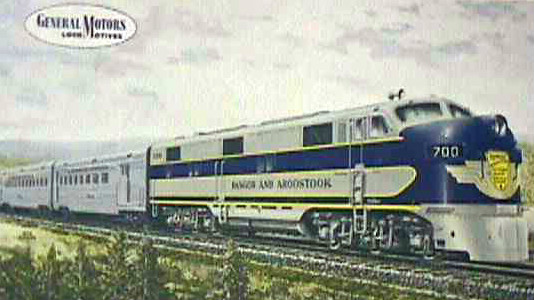
The Bangor and Aroostook Railroad passed right through the little town of Orono, Maine, located on the west bank of the Penobscot River. The only passenger train passed through this quit grade crossing at 3 AM every night.
 
  
Orono Calling

Three AM        Orono calling
Sleek locomotive leads silver train
Past sleepy unmarked railroad crossings
Deep in the woods of central Maine

Sleek locomotive leads silver train
Two heads poke out of a back yard tent
Deep in the woods of central Maine
Up to the Pine Street crossing they went

Two heads poke out of their back yard tent
Barefoot they run in the late night dank
Up to the Pine Street crossing they went
To sit and wait on the railway bank

Barefoot running in the late night dank
White light moves on a distant hill
Sitting close up on the railway bank
They hear the whistle long and shrill

White light moves on a distant hill
A rush round the bend and then it is here
The whistle loud now       long and shrill
The thrill of the sound and the pounding fear

A rush round the bend and then it is here
The flying Southbound passenger train
The thrill of the sound and the pounding fear
At this small rail crossing in central Maine

The flying Southbound passenger train
Lifts from the tracks and leaves behind
The small rail crossing in central Maine
And dissolves to smoke down the trails of time

Weeds grow in the rail beds left behind
As midnight passes in fitful daze
The silver train flying the trails of time
Roars through the dark city’s neon haze

As midnight passes in fitful daze
Sleek Locomotive pounds in the night
Awake in my dream-like neon haze
White light splashes from single head light

Sleek Locomotive pounds in the night
My room is the overgrown railroad crossing
Windows explode from passing head lights
Three AM       Orono calling


F3 Locomotive Leads Bangor and Aroostook Passenger Train


for Phil

He leaned back
Arms by side
His shoulders straight
And sang.    He felt
The power of his voice
Anchored by his
Rock-like pose
His energy
And  (say it)  joy
Belting long strong notes
In front of the good
But rag-tag band
The joy of being
After all the drugs
The joy of singing
After not quite catching
The peak of the punk wave
The joy of living
After not achieving
The Fame of ‘X’ or Patti Smith
The joy of friends to hug him
After decades in the dark
The joy of the
Old time
Ragtime
Washboard rhythm song
The joy of the bass
The fiddle
And his voice
His own voice
Soaring and alive

Ten Cords of Dry

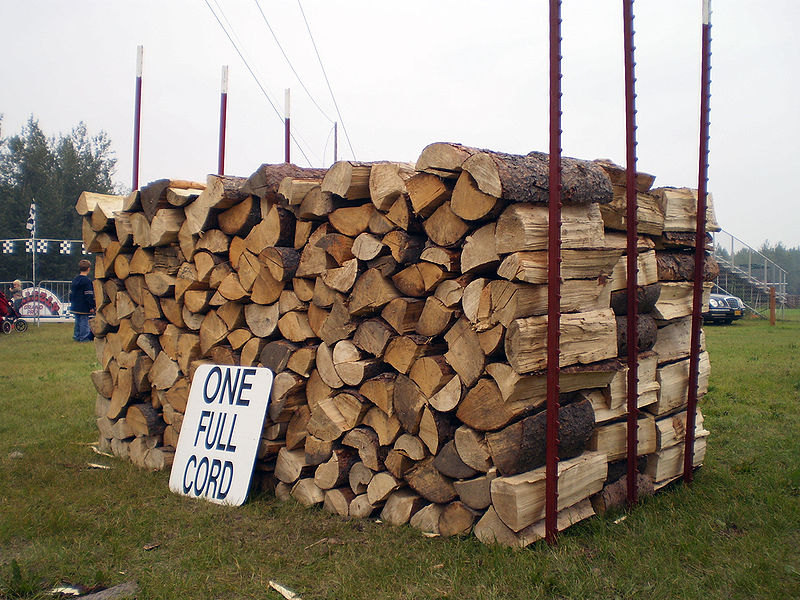
A cord of wood is a pile, neatly stacked, 4′ wide by 4′ high by 8′ long. A city person would be amazed at how much split dry wood it takes to heat a small cabin on an Island off Vancouver for a whole winter.

We met a tall, strapping wood sculptor at an art show in Joshua Tree, in the Mojave desert. He talked glowingly of the time he spent on Hornby island, off Vancouver, and how the artist community in Joshua Tree was almost as good as what he had experienced there. We asked him why he had come to this place in the desert, so different from that cold damp island.

Ten Cords of Dry

It was the heft of the axe,
the solidity of the chopping stump,
the pull of his shoulders as he swung
from Spring to first snow,
one hour every morning before coffee and breakfast,
that kept him sane those fifteen years on Hornby Island.

The tangibility of the task,
the sheer size of the pile
growing bit by bit,
to be sucked up by the ever hungry winter stove,
that part of living – no uncertainty,
ten cords of dry
the reason why.

Angela crept softly
into his periphery,
a bit of red shawl in a summer park,
gentle swaying at a late night gathering,
then finally a touch and spark,
the two of them in a crowded coffee house,
the whole world dissolving into fog.

Winter was warmed by
long nights of talk,
their skin touching hot under blankets,
cold air seeping around the edges,
and the ever dwindling pile
of split wood in the barn.

She said I love you so – but know
that I am a traveler in this place
of high pine and rain.
My home is on a desert hill,
where the Mojave slopes down
to meet the Colorado,
where the relentless sky
finds every hiding place
and purifies my soul.

I’m leaving now – to greet
the flowers of the sage and ocotillo,
to burn away the residue
and find out what I have that stays,
and purge what has to go.

As Angela brings out the tea,
he’ll tell you now,
ten years gone by,
in the desert light of Joshua Tree,
that he came to flee the endless cold.
Ten cords of dry
the reason why.

1961: Stanley Ann and Me

                                                                                              Carol Kearns
                                                                                              September 2012

It’s hard to believe that four years have already passed since President Obama first ran for office in 2008. I was so proud when the Democratic Party made him its nominee, and prouder still of my country when he was elected to office as the better candidate.

The President’s most strident political enemies deride his background as a community activist and claim that he is a socialist. Others assert that he is a closet Muslim, born outside the country.

But there is one issue that is thankfully avoided in public discussion as completely inappropriate – and that is the very young age of the President’s mother when he was conceived and born, and whether or not she was really married. Even President Obama, in his book Dreams from My Father, says that “how and when the marriage occurred remains a bit murky.”

I think quite a bit about Obama’s mother, Stanley Ann Dunham, later known as Ann Dunham, because she was born only three years before me, and this makes her part of my generation. When I think of her, I see myself. President Obama is young enough to be my son, and he was born during tumultuous times that I remember very well.

I also think often about the president’s grandparents, Madelyn and Stanley Dunham, because they stood by their high-spirited teenager and embraced a multi-ethnic family at a time when many parents would not have.

When someone mentions the 1950’s and 60’s, most of us usually recall fun things like American Bandstand, Elvis, and the Beatles. But in 1961, when President Obama was born, it was still a felony in many states for mixed race couples to marry, and the growing challenges to segregation in the south were being answered with considerable violence.

Obama’s grandparents moved to Hawaii with their daughter in 1960 after she finished high school in Seattle. Ann Dunham was known for her enthusiasm and curiosity about life, and shortly after entering college, she was swept off her feet by a 23-year-old Muslim student from Kenya. She was only 18 when her son Barack was born, six months after her marriage to his father in February.

Ann’s experience of falling in love and having to get married was typical for many young women; but to me, the staunch support of her parents during that socially repressive time is quite unusual. The social stigma of an unwed pregnancy, and especially for babies of mixed race, induced considerable fear for all involved.

How many girls were sent away to deliver a baby, to fabricate a husband, or to put the child up for adoption? Whenever my own mother heard of such stories, she would warn me, “Girls who get pregnant are ruining their lives.”

Ann was blessed to have the parents that she did. Even in the island paradise, there was considerable animosity among the various ethnic and racial groups; yet Ann’s parents stood by her and her son. Nine years later they embraced a second grandchild, a girl, whose father was Indonesian.

In August 1961, when President Obama was born, I was one month shy of my sixteenth birthday – ready to start tenth grade and get my driver’s license. The country was struggling with Jim Crow laws, with the fallout from rock and roll, with the burgeoning feminist and free-speech movements, and with the over-all challenge by the baby boomer generation to the stultifying political conservatism and McCarthyism of the 1950’s.

Civil rights activists pressed harder for the country to live up to the principle “all men are created equal.” As I watched the nightly news with my parents, or read the headlines, I saw people staging non-violent sit-ins at segregated lunch counters, and people traveling south (and dying) to help with voter registration drives. There were even demonstrations in San Diego, and an older friend from school spent a weekend in jail. Some of the worst for the country was yet to come.

In September of 1963, when Obama was just two years old, Governor Wallace of Alabama defied a court order admitting black children to a public school in Huntsville. A week later, four children were killed in the bombing of the Baptist Church in Birmingham. Secretary of State Condoleeza Rice was a little girl in Birmingham and knew those children.

Most people I knew supported integrated public facilities, but many still had trouble with mixed marriages. I remember a negative discussion of such marriages by fellow students in college.

President Obama chose to remain with his grandparents and finish high school when his mother went to live with her second husband in Indonesia. It is understandable that he felt he had much to sort out as he grew into manhood.

I also think about Ann Dunham at the time of her death in 1995. She wasn’t even 53. This was the year I turned 50, and I had just started my second year of teaching. Ann Dunham died so young, but she also packed a great deal of living into her short time here. She probably had no clue that she was mother to a future president.

Times are much different now than when Obama was born fifty years ago. Who could have imagined that in 2008 the vice-presidential Republican candidate would present her pregnant, unmarried daughter to the national convention.

We have come a long way, and I hope that as a country we don’t go backward. No matter what people may think of the President’s politics, do they see any of themselves when they consider his personal story? I see his mother as a young girl and I remember the country’s turbulence during my adolescence, and I hope we continue to work toward what is right.

The Con

He sat in the driver’s seat of a 56 Ford pickup truck. His arm, resting on the edge of the rolled down window, was thin, tanned and wiry. The thing that distinguished him the most from the folks standing on the street talking to him was his hair. On this early morning in Venice in 1972, the young men standing in the street had hair: long hair, curly hair, puffed out or hanging down in lanky strands. Don’s hair was slicked back from an already receding hairline, greased tight against the top of his head, then curling a bit down toward the back of his neck.
He was older, a child of the 50’s and not the 60’s, 33 years old. His hair, his worn white t-shirt, his truck sitting low with faded paint, formed a picture of Whittier Boulevard in 1960, not Dell Street just before the first canal in Venice, California in 1971. But the biggest thing that separated Don from the rest of the young men that gathered around his truck that summer morning was that Don was a con.
Don had served ten years in federal prison for bank robbery. He told me once how, at the age of 21, his restlessness got the better of him one day, and he walked into a bank with a 38 and not much of a plan. He talked about the simple justice of life inside, how you didn’t want to owe anybody anything, how at a movie showing a man had stepped over three rows of chairs and slit another man’s throat for a pack of cigarettes. And I could see, even that morning sitting in his truck, that the restlessness was still there, that the ten years in the pen had been wasted on Don . It wasn’t about rehabilitation, it was about understanding: the shades of grey, the calculus of relationships, the balance of giving and taking, the art of letting it ride.
That morning he was on a mission, to get a pickup truck load of sand for the weed-strewn corner of Linnie Canal and Dell Avenue that was the sight of the soon-to-be People’s Park. Don had been eyeballing a large mound of sand piled up at the end of Driftwood Street by the beach maintenance crews that we back up to with his truck and help ourselves.
“Let’s get going before too many people are out,” Don said. Me and another guy jumped in and headed for the beach.
The woman who loved him that summer was tall, gentle, and like many of our friends at the time tended to drift off toward the mystical. She gave him everything she had, and wanted nothing more from him than the touch of his skin as they lay sleeping in the early morning. All she wanted was to see him in the morning there at the table in the kitchen of their little house off Venice Boulevard, drinking coffee and eating her freshly baked bread and raspberry jam. She wanted to touch his hair as she walked by, and have him reach out and find her hand. And that was all.
Don received all that and loved it. But his was the arithmetic of the prison: every favor incurs a debt, and every day his debt to her grew until it ate at his heart.
“Can you do something for me?” he said one day in early September.

“Tomorrow afternoon be at Nu Pars at 3.” I would have done anything for him, anyway, but this time his eyes were fixed on mine.

“Be sitting on the bench outside. There won’t be hardly anyone around after the breakfast crowd is gone.”

“Sure,” I said.

“Wait for me. If I don’t come by 4, forget the whole thing.”

The Con

I
The hard lines of the prison cell
and the convict creed
beckoned the subconscious as
a light out of the turmoil
for an eighteen year old
who had wandered through dead end jobs
prying plywood forms day after day
from still warm sweaty concrete walls
who drank through his paycheck
while his girl friend cursed and
everyone was somehow
an antagonist ‘till he seemed to be
bounced from pinball bumper
back to the spring-loaded piston
then launched again on another wild ride
that became a blurry spinning
and ringing in his ears
and who wandered head pounding
down hard concrete sidewalks
looking for a way to stop the noise
Finally he found solace
in jailhouse arithmetic
a favor received is a debt incurred
an allegiance pledged
is a bond broken only by death
and jailhouse justice where
a borrowed pack of smokes unpaid
could slit a man’s throat
and rules were black and white inside
II
Now Don was an ex-con
the geometry of living
in Mary’s Venice bungalow
where the light filtered soft
through batik curtains
while she nurtured life into
a small herb garden on Linnie Canal
bought stone ground wheat
and gently soothed his hair while
his every nerve tingled with agitation
while up and down the alleys
clouds of young men moved
in arguments about consensus
and the individual
while women playfully passed their fingers
across his back as they walked by
the calculus of stepping back and
letting go and watching as the egos played out
the balance of giving what he could to her
not knowing what it was he gave
while letting himself take the feel
of her warm skin in the early morning
and the soft peace of incense floating
through the dim living room
the art of letting all this ride
and never asking an accounting …
were mysteries that ate at him.
and so he didn’t tell her
that morning as she poured him coffee
and toasted homemade bread
that today he’d rob another bank
just to get inside

————————————

(This is a work of fiction. Any similarity to real persons living or dead is purely accidental.)